“How long will this take?” is one of the first questions homeowners ask about a kitchen remodel, and for good reason. Your kitchen is the one room you use every day, and living without it is a real disruption. The honest answer is that it depends on the size of the project and on what you order. A light refresh can take a few weeks. A full renovation with layout changes can take several months from the first meeting to the final walkthrough.
This guide walks through a kitchen remodel phase by phase, so you know what happens when, where delays come from and what you can do to keep the project moving. For pricing, see our guide to what remodeling costs in the Austin area.
The big picture: planning takes longer than building
Many homeowners are surprised to learn that the longest part of a kitchen remodel is often what happens before construction starts. Design decisions, product selection and ordering can take as long as the work in your home. A realistic timeline has two parts:
- Pre-construction: planning, design, selections, ordering and permits
- Construction: demolition through the final walkthrough
Good planning shortens the second part, and rushing the first part tends to lengthen it.
Phase 1: Consultation and planning
This phase covers the first meeting, a walk-through of your kitchen, a discussion of your goals and a rough scope. You decide:
- Whether you are keeping the layout or changing it
- What you want to keep, such as appliances or flooring
- How the kitchen should work for your household
- Your priorities and your budget
Layout changes lengthen the schedule because they affect plumbing, electrical work and sometimes walls. Our kitchen remodeling services begin with this step.
Phase 2: Design and selections
Here you choose the products that make up your kitchen:
- Cabinets, hardware and layout
- Countertop material
- Backsplash tile
- Flooring
- Sink, faucet and fixtures
- Appliances
- Lighting
- Paint colors
This phase is where many projects slow down. Decisions take time, and changing your mind after ordering is expensive and slow. Make a plan to finalize selections before work begins, and confirm sizes and specifications in writing.
Phase 3: Ordering and lead times
Once selections are final, orders go in. Lead times vary a lot by product and supplier:
- Cabinets are often the longest wait, particularly for custom or semi-custom lines. Stock cabinets can arrive faster.
- Countertops usually cannot be measured until the cabinets are installed, so fabrication starts later.
- Appliances, specialty tile and fixtures can have their own delays, especially for special orders.
Ask your contractor for current lead times on your specific products, because supply conditions change. A good schedule is built around the longest item.
Phase 4: Permits and preparation
Some kitchen work needs permits, particularly when it involves electrical, plumbing, gas or structural changes. The time it takes to get a permit depends on the city and the scope. Your contractor should tell you what is required for your project. For more on who handles what, read our guide to handyman vs contractor.
While waiting for materials, you will also prepare your home: clear the kitchen, protect nearby floors and set up a temporary kitchen.
Phase 5: Demolition
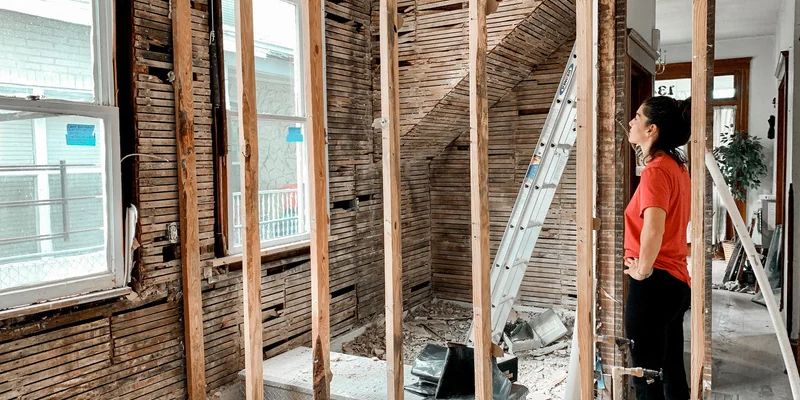
Demolition is usually quick, often a matter of days. Old cabinets, countertops, flooring and fixtures come out, and the room is cleared to the studs where needed. This is also where surprises can appear, such as hidden water damage, outdated wiring or uneven floors. Good contractors build room into the plan for this.
Phase 6: Rough-in work
With walls and floors open, the trades update the systems behind them:
- Plumbing changes, such as moving a sink or adding a line for a refrigerator or dishwasher
- Electrical work, such as new circuits, outlets and lighting
- Gas and ventilation adjustments, if needed
- Framing changes, if the layout shifts
If a permit is required, an inspection often follows this phase, and the schedule depends on the inspection availability. Work generally cannot be closed up until it passes.
Phase 7: Walls, ceilings and flooring
After inspections, drywall goes up, gets taped, textured and sanded, and the primer goes on. Flooring may be installed now or later, depending on the plan. Drywall needs drying time between coats, so this part of the schedule cannot be rushed.
Phase 8: Cabinet installation
This is the moment the kitchen starts to look like a kitchen. Cabinets are installed, leveled and secured, and the layout is confirmed. The installation itself is usually only a few days, but it depends on the cabinets arriving complete and undamaged.
Phase 9: Countertop templating and installation
Once the cabinets are in, the countertop fabricator measures, or templates, for exact fit. Fabrication then takes some time, and installation follows. This waiting period, when you have base cabinets and no countertop, surprises many homeowners. It is normal. Ask your contractor how long the fabricator typically takes for your chosen material.
Phase 10: Backsplash, plumbing and electrical finishes
With the countertop in place, the finishing trades arrive:
- Backsplash tile and grout
- Sink and faucet connections
- Appliance installation
- Light fixtures, switches and outlets
- Hardware, trim and touch-up paint
A final plumbing or electrical inspection may apply.
Phase 11: Punch list and final walkthrough
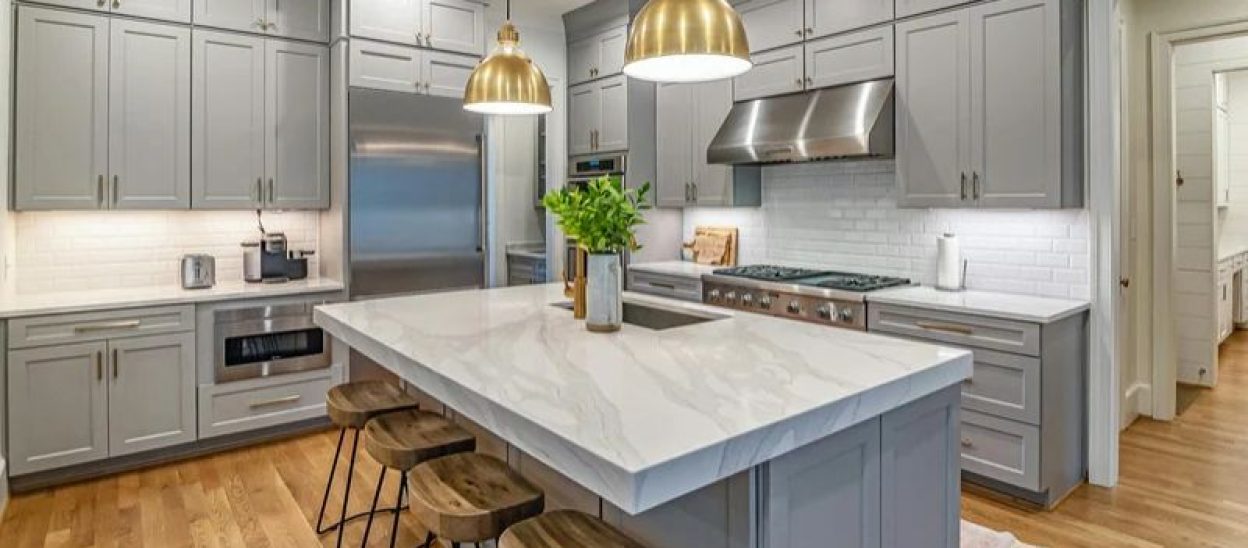
The project ends with a walkthrough. You and your contractor go through the kitchen and note anything that needs a touch-up or adjustment. Small items are fixed, the space is cleaned and you receive information about your new appliances and finishes.
What causes delays
The most common reasons a kitchen remodel runs longer than planned are:
- Late or changing selections
- Backordered or damaged products
- Hidden problems discovered during demolition
- Inspection scheduling
- Countertop fabrication time
- Scope changes once work has started
- Weather, if exterior work or deliveries are involved
- Availability of trades, especially during busy seasons
You cannot control everything, but you can reduce the risks.
How to keep the timeline on track
- Finalize design decisions early, and stick to them.
- Order long-lead items first.
- Ask for a written schedule with milestones, and review it together.
- Plan for the unknown. Build in extra time and a contingency in your budget.
- Stay responsive. Answer questions and approve decisions quickly.
- Set up a temporary kitchen with a microwave, a small fridge and a place to wash dishes.
- Limit scope changes after construction starts.
Living through the remodel
Expect noise, dust and strangers in your home. A few things help: protect or move belongings, set up barriers for dust, plan meals that do not need a kitchen and keep a clear route for the crew. Tell your contractor about pets, young children and work-from-home schedules.
Kitchens, bathrooms and larger projects
A kitchen is often part of something larger. If you are considering bathroom remodeling or a full home renovation, coordinating the work can save time compared with doing each room separately, though a bigger scope means a longer schedule.
FAQ
How long does a kitchen remodel take?
It depends on size and scope. A light refresh can take a few weeks, while a full renovation with layout changes can take several months including planning and ordering.
Can I stay in my home during a kitchen remodel?
Usually yes, but you will need a temporary kitchen and patience for noise and dust.
Why do countertops take so long?
They are measured after the cabinets are installed, then fabricated, then installed.
Does changing the layout add time?
Yes. Moving plumbing, electrical and walls adds work, and it may add permits and inspections.
What is the biggest cause of delay?
Late decisions and long lead times on cabinets and other special-order items are among the most common.
Plan your kitchen remodel with a clear timeline
Just Cleo Construction serves Austin, Leander, Cedar Park, Round Rock and Georgetown. Call (512) 538-3359 or contact us to start with a consultation and a written schedule.